3D Floating Hearts: Creative Design for All
3D Floating Hearts is a unique design concept that brings a sense of movement and depth to visual art. Whether you're an artist, designer, or business owner, this design offers creative possibilities that can enhance your projects. With its dynamic appearance, 3D Floating Hearts adds a modern touch to any digital or physical medium.
What Is 3D Floating Hearts?
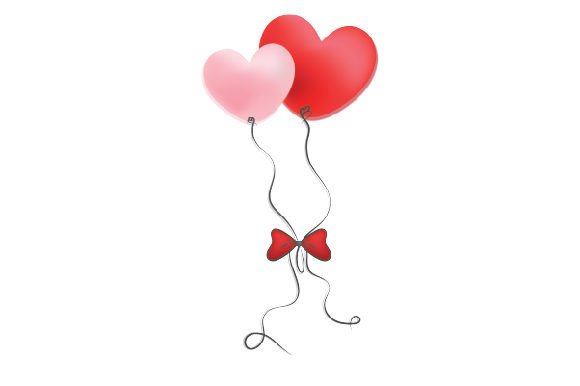
At its core, 3D Floating Hearts refers to a three-dimensional representation of heart shapes that appear to float in space. This effect is achieved through advanced design techniques that simulate depth and motion. The result is a visually striking image that captures attention and conveys emotion effectively.
The design can be created using various formats such as SVG, transparent PNG, EPS, and DXF. These file types ensure compatibility across different platforms and applications, making it easy to integrate into a wide range of projects.
Why Different Audiences Care About 3D Floating Hearts
While the concept may seem simple, its appeal spans multiple industries and interests. For beginners, 3D Floating Hearts offers an accessible way to explore design principles. For professionals, it provides a tool for creating eye-catching visuals that stand out in competitive markets.
Entrepreneurs might use 3D Floating Hearts to create branding elements that reflect innovation and creativity. Educators could incorporate it into lessons on digital art or design, helping students understand spatial relationships and animation techniques. Hobbyists and artists may find it a fun way to express emotions and ideas through visual storytelling.
How Beginners Might Use 3D Floating Hearts
If you're new to design, 3D Floating Hearts can be a great starting point. Its simplicity allows you to experiment with different styles and effects without needing advanced technical skills. You can use pre-made files to learn how 3D elements interact with lighting, shadows, and perspective.
For example, a beginner graphic designer might use a 3D Floating Heart SVG to add a unique touch to a social media post or website banner. This helps them build confidence while exploring the basics of digital design.
How Professionals Might Evaluate 3D Floating Hearts
Experienced designers and developers often look for high-quality, flexible assets that can adapt to various projects. When evaluating 3D Floating Hearts, they might consider factors like resolution, scalability, and ease of customization. A professional might choose a high-resolution EPS file for print work or a transparent PNG for web use.
Additionally, professionals may assess the design’s versatility. Can it be modified to fit different color schemes or themes? Does it maintain quality when scaled up or down? These considerations help determine whether 3D Floating Hearts meets their specific needs.
How Creators and Artists Can Benefit
Artists and creators often seek tools that inspire new ideas and push creative boundaries. 3D Floating Hearts can serve as a source of inspiration, encouraging experimentation with form, movement, and symbolism. It can also be used in mixed-media projects, combining digital and physical elements for a more immersive experience.
A muralist, for instance, might use a 3D Floating Heart design as a central motif in a public art installation. This approach adds a layer of depth and meaning, transforming a simple shape into a powerful visual statement.
How Business Owners Might Leverage 3D Floating Hearts
Business owners looking to stand out in a crowded market may find 3D Floating Hearts useful for branding and marketing. A unique logo or promotional graphic featuring floating hearts can make a brand more memorable and visually appealing.
For example, a wedding planner might use 3D Floating Hearts in promotional materials to evoke feelings of love and romance. Similarly, a tech startup could incorporate the design into its website or app interface to convey innovation and emotional connection.
How Educators Can Use 3D Floating Hearts in Teaching
Teachers and educators can use 3D Floating Hearts as a teaching aid to explain concepts like geometry, motion, and visual design. By analyzing how the design creates the illusion of depth, students can gain a better understanding of spatial relationships and artistic techniques.
In a classroom setting, students might be asked to recreate the design using different tools or software. This hands-on approach not only reinforces learning but also encourages creativity and problem-solving skills.
How Consumers Might Appreciate 3D Floating Hearts
Consumers who enjoy personalized or unique designs may appreciate the aesthetic appeal of 3D Floating Hearts. Whether it's used in home decor, fashion, or digital content, the design adds a touch of elegance and modernity.
A consumer looking to customize a gift, for instance, might use a 3D Floating Heart SVG to create a custom t-shirt or phone case. This allows them to express individuality while incorporating a visually striking element into their personal style.
Choosing the Right Format for Your Needs
Understanding which file format suits your project is essential. SVG files are ideal for scalable graphics that maintain quality at any size. Transparent PNGs work well for web use, allowing the design to blend seamlessly with backgrounds. EPS and DXF formats are preferred for professional printing and CAD applications.
Consider your end goal when selecting a format. Are you creating something for online use, print, or a hybrid approach? Each format has its strengths, and choosing the right one ensures your design looks its best in every context.
Conclusion: Is 3D Floating Hearts Right for You?
Whether you're a beginner exploring design for the first time or a professional seeking new creative tools, 3D Floating Hearts offers value in different ways. Its flexibility, visual appeal, and adaptability make it a useful asset for a wide range of users.
By considering your goals, skill level, and project requirements, you can determine if 3D Floating Hearts aligns with your needs. With the right approach, this design can enhance your work and bring a fresh perspective to your creative process.